
Standard 20ft Container Dimensions
Below are the typical external and internal dimensions of a standard dry 20ft container.
| Specification | Measurement |
| External Length | 6.06 m (20 ft) |
| External Width | 2.44 m |
| External Height | 2.59 m |
| Internal Length | Approximately 5.90 m |
| Internal Width | Approximately 2.35 m |
| Internal Height | Approximately 2.39 m |
| Internal Capacity | About 33 cubic metres (CBM) |
| Door Width | Approximately 2.34 m |
| Door Height | Approximately 2.28 m |
While these dimensions are standardized, small variations may occur between manufacturers and container models.
The 20-foot shipping container is the world's most widely used freight container. Whether you're importing goods from China, exporting agricultural produce, building a container office or looking for secure storage in Kenya, understanding its dimensions and carrying capacity helps you make better logistics decisions.
In this guide, we explain the standard dimensions, weight, cargo capacity and real-world applications of a 20ft container. We've also included insights from a real container identification plate, showing the type of information manufacturers and shipping companies use to certify containers.
What Is a 20ft Shipping Container?
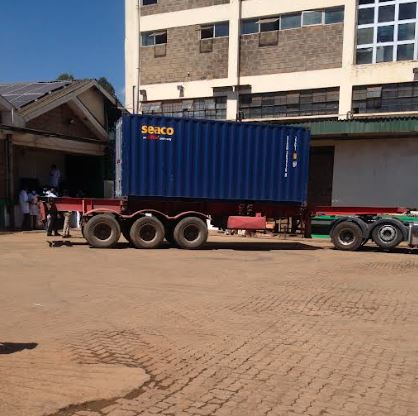
A 20ft shipping container is a standardized steel freight container built to ISO (International Organization for Standardization) standards. Because it follows international specifications, it can be transported by ships, trains and trucks almost anywhere in the world.
These containers are commonly used for:
- International imports and exports
- Secure warehouse storage
- Container offices
- Site stores
- Mobile workshops
- Agricultural storage
- Construction projects
Their strength, durability and standard size make them one of the most versatile logistics assets available.
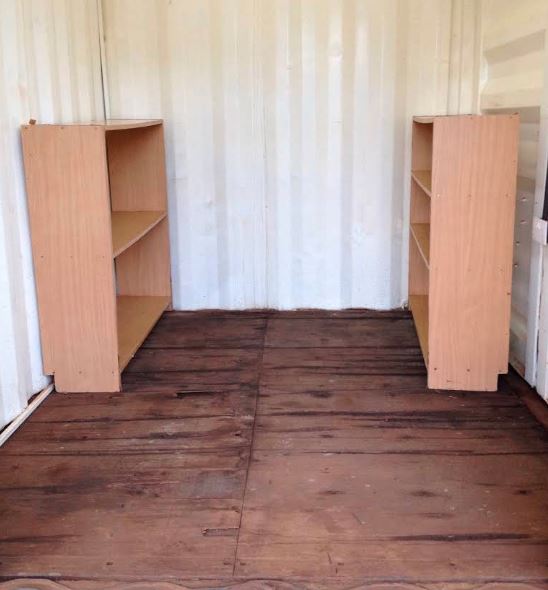
Weight Specifications
Understanding container weight is just as important as knowing its size.
Typical specifications include:
| Weight Specification | Approximate Value |
| Tare (Empty) Weight | 2,200–2,400 kg |
| Maximum Gross Weight | Around 30,480 kg |
| Maximum Payload | Around 28,000 kg |
What Can Fit Inside a 20ft Container?
A standard 20ft container can carry a surprising amount of cargo.
Typical uses include:
- Machinery and spare parts
- Coffee and tea exports
- Steel products
- Building materials
- Furniture
- Consumer goods
- Agricultural produce
- Industrial equipment
Because the container reaches its weight limit before running out of space, it is especially suitable for heavy cargo.
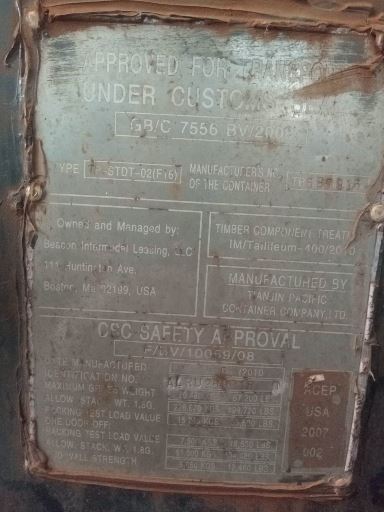
Understanding the Container Identification Plate
One of the most important features of every shipping container is the CSC (Convention for Safe Containers) Safety Approval Plate.
The identification plate attached to the container contains important information such as:
- Manufacturer
- Container serial number
- Date of manufacture
- Maximum gross weight
- Stacking limits
- Racking test values
- CSC safety approval
The container shown in the accompanying photo includes a CSC approval plate indicating that it was manufactured in 2010 by Tianjin Pacific Container Company Ltd. It also lists the maximum gross weight, stacking strength and other technical information used during inspection and international transport.
When buying or renting a used container, checking the CSC plate can help verify its identity and technical specifications.
20ft vs 40ft Container
A 20ft container is generally the better option when transporting dense, heavy cargo, while a 40ft container offers nearly twice the internal volume for lighter, bulkier goods.